For decades, the conversation around aging has been reactive: treating signs of aging once they are already impacting our health, and often at a high cost, high risk, with negative side effects. Our healthcare system addresses chronic disease and aging only once there is a big enough problem to treat with drastic measures like surgery or prescription medication. Today’s healthcare system does not prioritize preventative care and it shows — healthcare costs continue to go up and chronic disease is on the rise. People are living longer, but are they able to enjoy it?
Today, a new wave of science-backed innovation and consumer interest is reframing the narrative toward optimizing healthspan: taking a preventative approach to increasing the number of years we live in good health. These changes are spreading across the consumer landscape where innovation can quickly reach a wide and engaged audience. Conversations about aging are no longer happening in doctor’s offices once people reach middle age. Across generations (and earlier than ever), consumers are shifting their behaviors today to prioritize their long-term well-being.
Longevity sits at the intersection of three massive trends:
1. People are living longer
Life expectancy has steadily increased over the last century due to advancements in modern healthcare, such as antibiotics and vaccines. At the beginning of the 20th century, life expectancy in the US was 47 years; in 2025, life expectancy in the US is expected to reach the low 80s. People today are living on average more than 30 years longer than they did in 1900 — that’s a lot more time to build careers, families and have meaningful life experiences. While we’ve gained three more decades in life expectancy, we now face the burden of long-term lifestyle choices leading to chronic disease that can severely impact our ability to enjoy these later years. The number of older adults is increasing with more than 1 in 6 people in the US over the age of 65. Of those adults over 65, more than 85% have at least one chronic illness and about 65–75% have two or more. There is a massive and growing market for solutions that improve the quality of later life and preserve youth as long as possible.
2. Young people are considering the long-term impact of their choices
It’s not just people over 65 who are considering how to make the most of the next few decades — people of all ages are thinking more proactively about their health. Millennials and Gen Z are seeking products that not only help them look good, but also feel great long-term. Younger generations are also waiting longer to start families — more women are having children in their 30s and 40s, which provides even more motivation to maintain health for decades to come.
3. Innovation in consumer health offerings
The past few decades have brought a wave of innovation across technology, healthcare, and consumer products. Our ability to track our health has become more instant, low cost, and insightful with wearables such as Levels, OURA, and Whoop, which all provide real time data directly to consumers and allow them to monitor their progress over time. AI-driven technology is already being used to speed up and democratize access to better and more personalized healthcare by businesses like Function Health and Superpower. Emerging ‘better for you’ CPG products are eliminating harmful ingredients and emphasizing better macros. Consumers have nearly instant access to the latest health trends through social media where many of these emerging businesses are advertising and partnering with thought leaders to reach consumers.

Products from leading wellness brands (left to right): AG1 (daily health drink packed with vitamins and minerals) and Oura Ring (smart ring for tracking fitness, stress, sleep & health)
Reaching the Mainstream
The longevity movement is no longer niche. It is being championed in top ranked Spotify podcasts and Netflix documentaries by Peter Attia, Andrew Huberman, and Bryan Johnson, who have turned once-esoteric health practices into mainstream habits. Their influence has convinced many consumers to adopt evidence-based protocols for healthier living: from cold plunges to supplement stacks, to lifting weights, and much more. These leaders on longevity range in their prioritization of living more years versus living healthier years. Some explore more novel medical intervention, like Bryan Johnson traveling to secret islands for gene therapy. There are certainly fringe therapies that won’t be applicable to most people until they are more well-researched and less cost prohibitive. Still, we believe that incremental and relatively low-cost longevity trends focused on healthspan extension will transform the consumer health and wellness landscape for years to come.
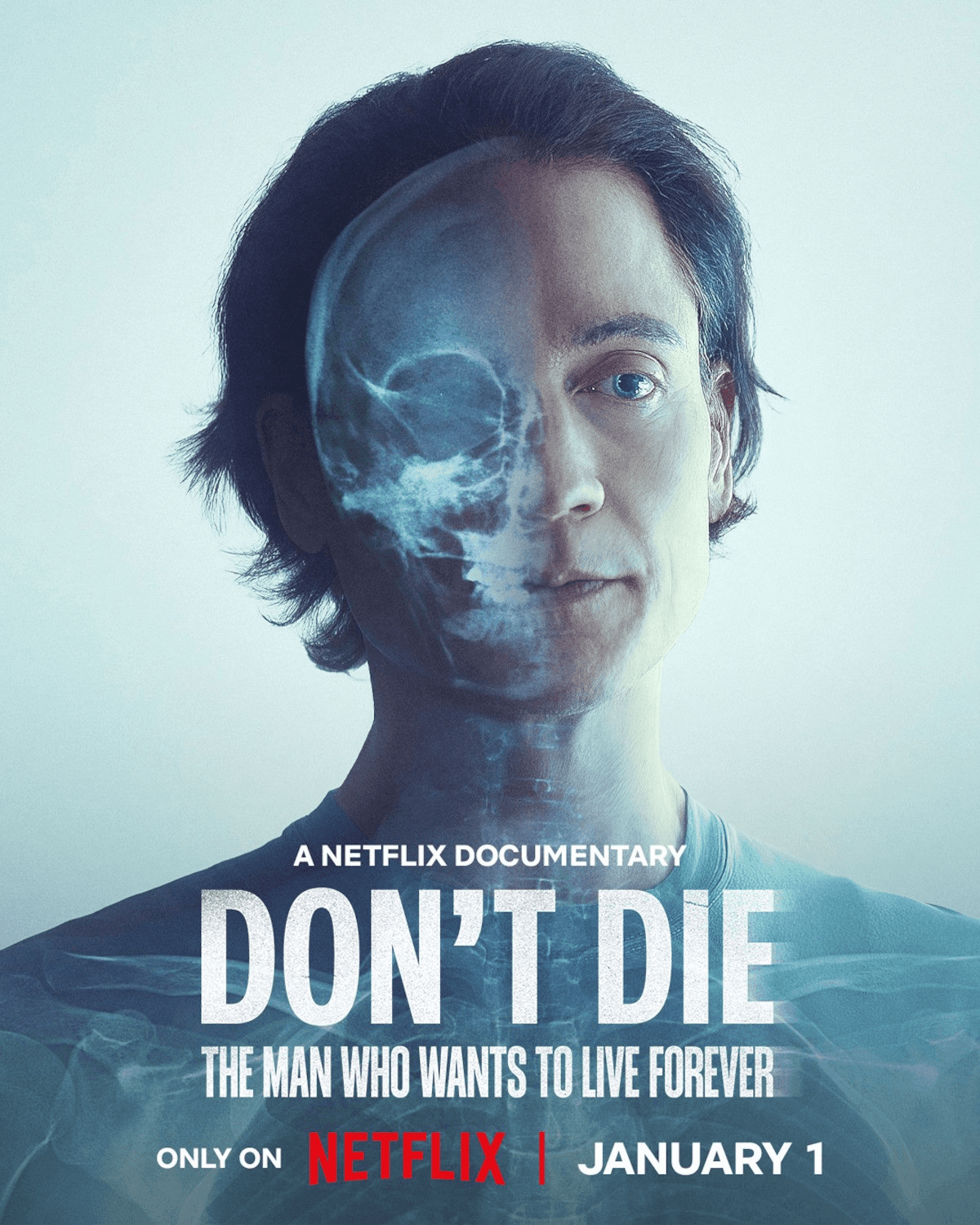
Bryan Johnson’s documentary ‘Don’t Die: The Man Who Wants to Live Forever’ was released on Netflix earlier this year.
Consumers are already starting to make incremental changes to the products they use and consume on a daily basis (opting for the higher protein snack, limiting alcohol and sugar consumption, avoiding ultra-processed foods). This paradigm shift is driving demand for products and services that enable healthier, longer lives. There have been big businesses built to support this movement with brands like OURA, AG1, and Peloton, all founded in the 2010s, already considered household names. And this is just the beginning, with plenty of opportunity for innovation across the consumer landscape. This trend truly flows through all aspects of our daily life and can be as small as taking a 10 minute walk after a meal to bigger trends towards biomarker tracking through regular bloodwork.
A Trend Here to Stay
The longevity movement has become more than personalized protocols to live longer and healthier; it is a social movement. People are building communities and transforming their own personal identities around these ideas. Longevity clinics are popping up across the U.S. offering services to help people live longer and providing a sense of community. I recently visited Love.Life, a longevity center in Southern California that is as much a place to hang out and meet people as it is a place to enjoy state-of-the-art fitness and recovery services. In the most extreme cases, these communities seem like a new religion; Bryan Johnson’s recent ‘Don’t Die’ Summits in multiple cities across the country have brought like-minded, hard core biohackers together. These communities will lead to even faster adoption of consumer products and services that are tapping into the longevity movement.
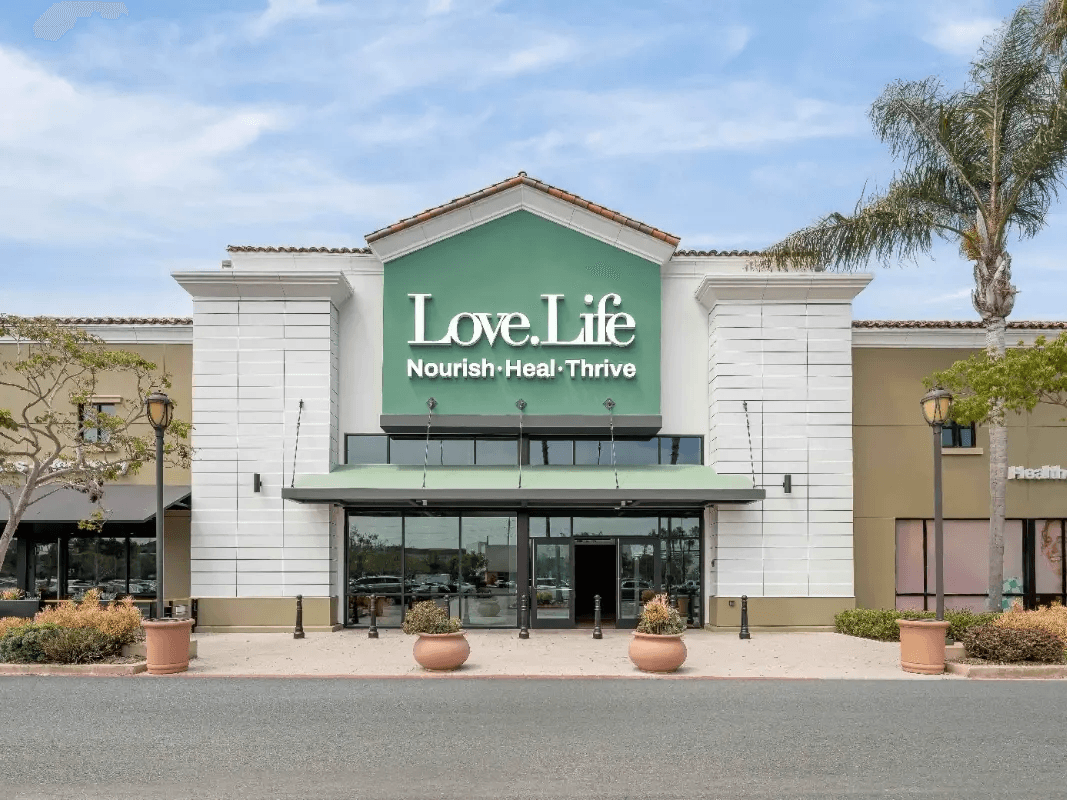
Love.Life is a longevity clinic in Southern California founded by John Mackey (former co-founder & CEO of Whole Foods) who is setting out to transform health care like Whole Foods transformed grocery.
Many parts of the consumer sector will be impacted as more people prioritize long-term healthy living throughout all aspects of their lives. We have been spending time considering both the obvious and indirect ways this trend will touch all parts of the consumer ecosystem. Over the coming months, I will share more on how we believe consumer subcategories including everything from personal care to food to pet care and more will be transformed by the longevity movement for years to come.
SHARE


